
The Ayurvedic Art of Drinking Water: 8 Healthy Habits | Saigram Ayurveda
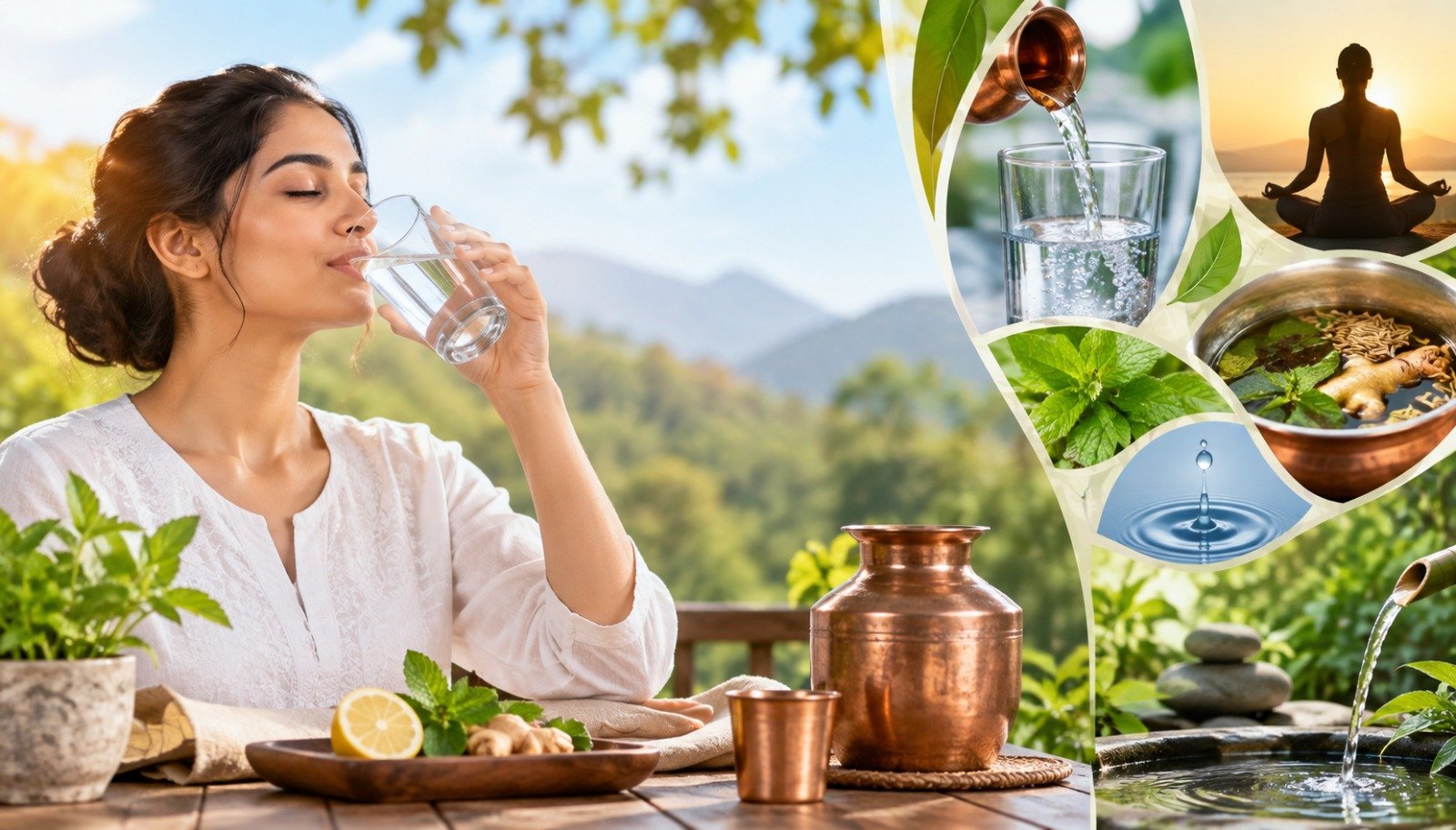
The Ayurvedic Art of Drinking Water
8 Simple Habits for Better Health
Water Is Simple. Drinking It Well Is an Art.
Most of us do not think twice before drinking water. We drink when we feel thirsty, gulp down a bottle after exercise, reach for chilled water on a hot afternoon, or simply drink because someone has told us that we must complete a certain number of litres every day.
But have you ever paused to think about how you drink water?
In our clinical experience at Saigram Ayurveda Hospital and Research Institute, we often find that people are highly conscious about what they eat but pay very little attention to how they hydrate themselves. Ayurveda has always regarded water, or Jala, as an important part of maintaining balance in the body. When combined with sensible modern hydration practices, mindful drinking can become a simple and meaningful part of everyday wellness.
At the best Ayurvedic Hospital in Coimbatore, we believe that good health is often built through small, consistent habits. The way you drink water may appear insignificant, but when approached mindfully, it can support your overall lifestyle and wellbeing.
Let us explore the Ayurvedic art of drinking water and eight simple habits that can help you develop a healthier relationship with this essential element of life.
Why Does Ayurveda Give Importance to Water?
Imagine starting your day feeling tired, with a dry mouth, dullness and a mild headache. You may immediately blame poor sleep or a busy schedule. Sometimes, however, your body may simply be asking for adequate hydration.
Water is involved in several essential functions of the body. It forms an important part of blood, saliva, sweat, urine and joint fluid. It helps the body transport nutrients and regulate temperature while supporting normal physiological functions. When the body does not receive enough fluids, dehydration may lead to symptoms such as thirst, dry mouth, headache and darker urine.
Ayurveda approaches this subject from a broader perspective. Water is not viewed merely as something that quenches thirst. It is closely associated with maintaining balance and supporting the body's natural processes. Ayurveda also emphasises Agni, or digestive strength, and considers the manner, timing and individual suitability of food and drink important.
This does not mean that everyone should follow the same hydration routine. Modern science also recognises that fluid requirements vary considerably depending on factors such as physical activity, climate and individual circumstances.
The real question, therefore, is not simply, "How much water should I drink?"
It is also, "What is the right way for me to drink water?"
1. Begin and End the Day with Mindful HydrationThe beginning and end of the day are natural moments to pay attention to hydration.
After several hours of sleep, many people prefer drinking a glass of water as part of their morning routine. Lukewarm or room-temperature water may feel especially comfortable for some individuals, particularly in the morning.
Similarly, a small amount of water in the evening may be appropriate depending on individual thirst and comfort. However, there is no need to force excessive amounts of water before bedtime, especially if it repeatedly disturbs sleep due to frequent urination.
Ayurveda teaches us an important principle here: more is not always better. The body responds best to balance.
Listen to your thirst, consider your daily activity and develop a comfortable routine rather than following a rigid rule.
2. Sip Water Instead of Drinking Excessively in a Hurry
Think about the last time you felt extremely thirsty. Most people immediately drink a large quantity of water as quickly as possible.
While drinking when thirsty is important, Ayurveda encourages a more mindful approach to eating and drinking. Sitting comfortably and drinking at a relaxed pace can help transform hydration from an unconscious habit into a moment of awareness.
Try not to treat water as another task on your daily checklist.
Instead:
- Drink comfortably rather than forcefully
- Take small, natural sips when appropriate
- Pay attention to your thirst
- Avoid waiting until you feel severely dehydrated
The goal is not to count every sip. The goal is to develop a healthy rhythm.
For people who work long hours in air-conditioned offices, travel frequently or simply forget to drink water during a busy day, keeping water easily accessible can be a practical reminder.
3. Choose a Water Temperature That Feels Comfortable to Your Body
One of the most commonly discussed topics in Ayurveda is the temperature of water.
Traditionally, Ayurveda often recommends avoiding extremes and encourages warm or comfortably tempered water in many situations. Lukewarm water is particularly popular in Ayurvedic daily routines because many people find it soothing and easy to consume.
However, this is also an area where modern understanding encourages balance.
Current nutrition guidance does not establish that cold water universally harms digestion. For most healthy individuals, the most important consideration is maintaining adequate hydration with water at a temperature they find comfortable.
Therefore, instead of creating unnecessary fear about cold water, a more practical approach is to observe your own comfort.
If ice-cold water causes throat discomfort, tooth sensitivity or digestive discomfort, choose room-temperature or moderately cool water. If warm water suits you better, that can become part of your routine.
Ayurveda has always valued individuality. Your body's response matters.
4. Drink Water Mindfully Around Meals
Many people ask us a common question: Should I drink water during meals?
Ayurvedic traditions generally advise against consuming large quantities of water during a meal because it may leave some people feeling overly full or uncomfortable. At the same time, there is no need to completely avoid water if you genuinely feel thirsty.
A practical middle path may be the most suitable approach.
You can drink water before a meal if you are thirsty and take small sips during the meal when needed. Avoiding excessive fluid consumption all at once may help you feel more comfortable while eating.
What matters equally is your overall eating behaviour.
Are you eating calmly?
Are you chewing properly?
Are you eating when genuinely hungry?
Are you constantly washing down food without chewing adequately?
Ayurveda reminds us that digestion is influenced not only by food but also by the way we approach our meals.
5. Understand That Your Water Requirement Is Personal
The popular advice that every person must drink exactly eight glasses of water every day is simple to remember—but the human body is not that simple.
A person working outdoors in Coimbatore's warm climate may have different fluid needs compared with someone spending the day in an air-conditioned office. An athlete may lose more fluids through sweat. A person recovering from illness may require specific medical guidance.
Modern recommendations also describe water intake as highly individual. The National Academies provides general adequate intake values for total water—including water from beverages and foods—but these should not be treated as a compulsory identical target for every individual.
Ayurveda takes this individual approach even further through the concept of Prakriti, or individual constitution.
Your age, activity, season, diet, digestive comfort and general health can all influence what works best for you.
A better question than, "How many litres should everyone drink?", is:
"Am I staying adequately hydrated according to my body's needs and my daily lifestyle?"
6. Prepare for Exercise and Physical Activity
When you exercise, walk for long distances or work in a hot environment, your body loses fluids through sweat.
This is where hydration becomes particularly important.
Do not wait until intense thirst develops after completing strenuous activity. Develop the habit of paying attention to hydration before, during and after exercise according to the duration and intensity of the activity.
For longer or more demanding exercise, especially in hot conditions, fluid and electrolyte requirements may need special attention.
Ayurveda views physical exertion as an activity that requires balance. Excessive exertion without adequate rest, nourishment and hydration may leave the body feeling depleted.
A sensible routine may include:
- Starting your activity reasonably hydrated
- Drinking according to thirst and activity level
- Replacing fluids after significant sweating
- Seeking professional guidance for prolonged exercise or special health conditions
Simple awareness can prevent many avoidable problems associated with inadequate hydration.
7. Drink Water with Awareness
This may sound unusual in a world where everything is rushed.
We eat while checking our phones. We work while eating. We walk while answering messages. Sometimes, we even drink water without realising that we have done so.
Ayurveda encourages mindfulness as an important aspect of a balanced lifestyle.
The next time you drink water, pause for a moment.
Sit down if convenient.
Take a breath.
Drink without rushing.
This simple act does not magically cure illness, but it can help you become more aware of your body's signals and daily habits.
Mindful living often begins with ordinary activities.
A glass of water can become one such moment.
8. Pay Attention to Water Quality and Safety
The quality of the water you drink is just as important as the quantity.
Safe drinking water is essential for health. Always ensure that your water source is clean and suitable for consumption. Depending on your location and water source, appropriate filtration, purification or boiling may be necessary.
Ayurveda also includes traditional practices such as consuming boiled water or using herbal preparations in specific situations. Warm water infused with ingredients such as cumin or ginger is traditionally used in Ayurvedic routines, depending on the individual's constitution and health needs.
However, herbal water should not be treated as a universal remedy.
What suits one person may not suit another.
This is particularly important for individuals with kidney disease, heart conditions or other medical concerns, as fluid intake may need to be medically regulated.
The safest approach is to combine traditional wisdom with individual professional guidance.
A Note on Copper and Traditional Water Storage
Traditional Indian households have long used copper vessels for storing water. In Ayurveda, Tamra Jal, or water stored in copper vessels, is associated with traditional wellness practices.
However, this is an area where moderation is important.
Copper is an essential trace mineral, but excessive copper intake can be harmful. Therefore, people should not assume that storing all drinking water in copper vessels throughout the day is necessarily beneficial.
Traditional practices deserve respect, but they should also be followed with proper understanding.
At Saigram Ayurveda Hospital and Research Institute, we believe that Ayurveda should be practised thoughtfully—not through fear, exaggeration or blindly following trends.
The Bigger Picture: Water Is Part of a Lifestyle
Perhaps the most important lesson about hydration is that water alone cannot create good health.
You cannot compensate for inadequate sleep, poor food choices, chronic stress and lack of physical activity simply by drinking more water.
Similarly, drinking excessive quantities of water is not automatically healthier.
Good health is created through balance.
Adequate hydration works best alongside:
- Nourishing food
- Proper digestion and regular meal habits
- Adequate sleep
- Regular physical activity
- Stress management
- Seasonal lifestyle adjustments
- Appropriate medical and Ayurvedic guidance when needed
This is where Ayurveda continues to offer a valuable perspective. Health is not a collection of isolated habits. The body functions as an interconnected whole.
The Ayurvedic Way Forward
The beauty of Ayurveda lies in its ability to make us pause and observe.
Instead of asking us to follow the same routine as everyone else, it encourages us to understand our body.
Instead of blindly counting litres, we can become aware of thirst, activity, climate and physical comfort.
Instead of rushing through our daily routine, we can introduce small moments of mindfulness.
Water is simple. Yet our relationship with water can teach us an important lesson about health itself—balance is often more valuable than excess.
Let Water Become Part of Your Healing Lifestyle
A glass of water may seem like one of the simplest things in your day. But when you begin paying attention to when you drink, how you drink and what your body needs, even this ordinary habit can become part of a more conscious lifestyle.
Ayurveda reminds us that health is often nurtured through small, consistent choices rather than dramatic changes. Drink according to your needs, choose safe and comfortable water, stay attentive to your body's signals and avoid following rigid rules that may not suit you.
At Saigram Ayurveda Hospital and Research Institute, we believe that personalised guidance is at the heart of meaningful healthcare. As the best Ayurvedic Hospital in Coimbatore, our approach is to understand the individual and guide them towards healthier lifestyle choices through the principles of Ayurveda and responsible clinical care.
If you are looking to understand your body better and explore a more personalised approach to health and wellbeing, we warmly welcome you to visit Saigram Ayurveda Hospital and Research Institute and speak with our team.
After all, when simple habits flow in harmony with your body's needs, wellbeing can begin with something as basic—and as powerful—as a glass of water.
Related Blogs
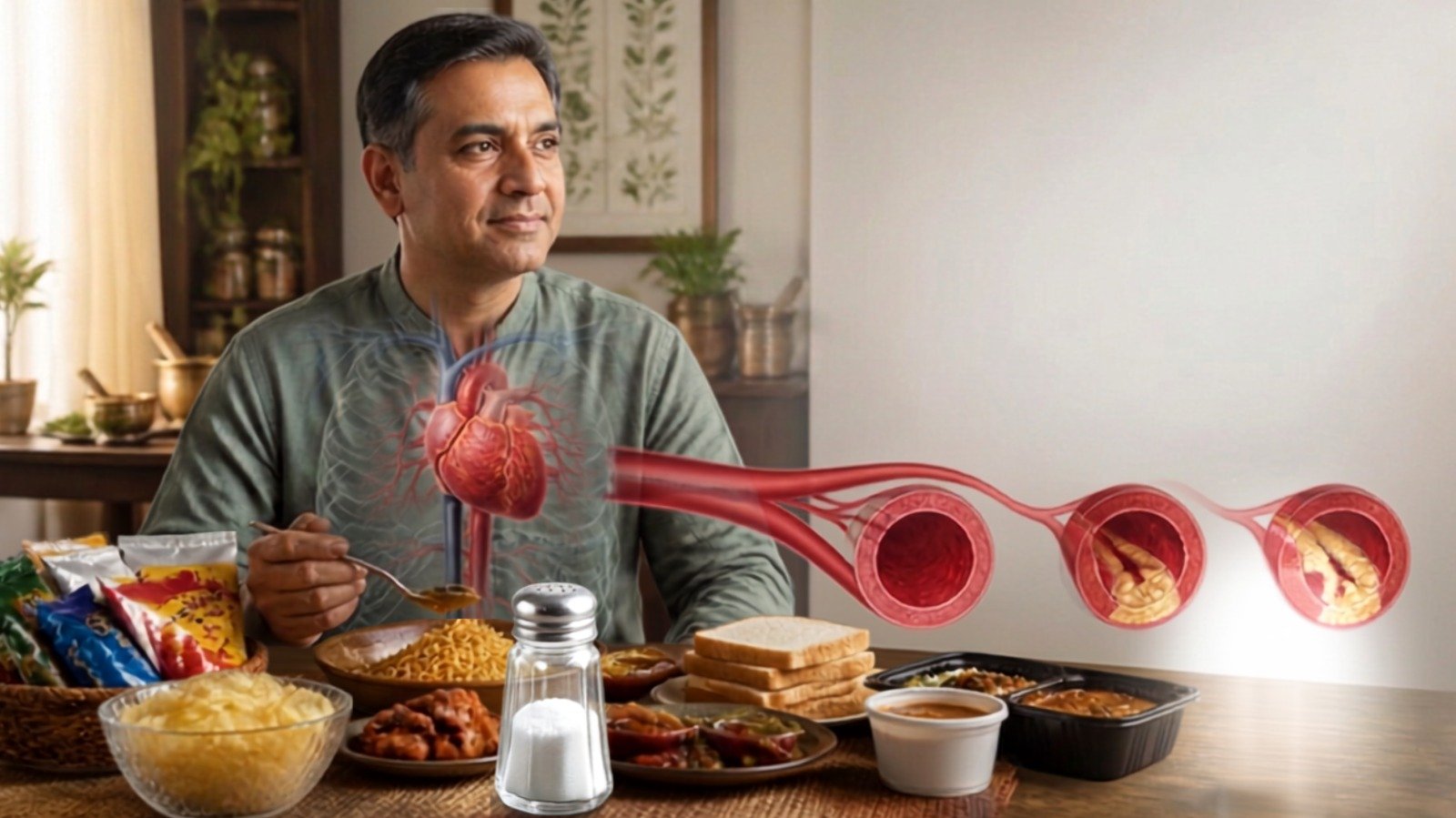
The Hidden Dangers of Salt: How Excess Sodium Silently Damages Your Heart | Saigram Ayurveda Hospital
Learn how excessive salt silently damages the heart, blood vessels, and circulation even when blood pressure appears normal. Discover the Ayurvedic perspective from the best Ayurvedic Hospital in Coimbatore and learn practical ways to protect your heart.
Read more
The Hidden Story of Insulin Resistance | Best Ayurvedic Hospital in Coimbatore | Saigram Ayurveda Hospital
Discover how insulin resistance silently leads to diabetes, obesity, fatty liver, and heart disease. Learn the Ayurvedic approach to early metabolic health from the best Ayurvedic Hospital in Coimbatore, Saigram Ayurveda Hospital & Research Institute.
Read more
Is Sugar Truly Addictive? An Ayurvedic Doctor Explains the Truth | Best Ayurvedic Hospital in Coimbatore
Discover whether sugar is truly addictive, understand the effects of fructose, and learn how Ayurveda promotes a healthier relationship with sweetness. Insights from the best Ayurvedic Hospital in Coimbatore.
Read more


