
The Hidden Dangers of Salt: How Excess Sodium Silently Damages Your Heart | Saigram Ayurveda Hospital
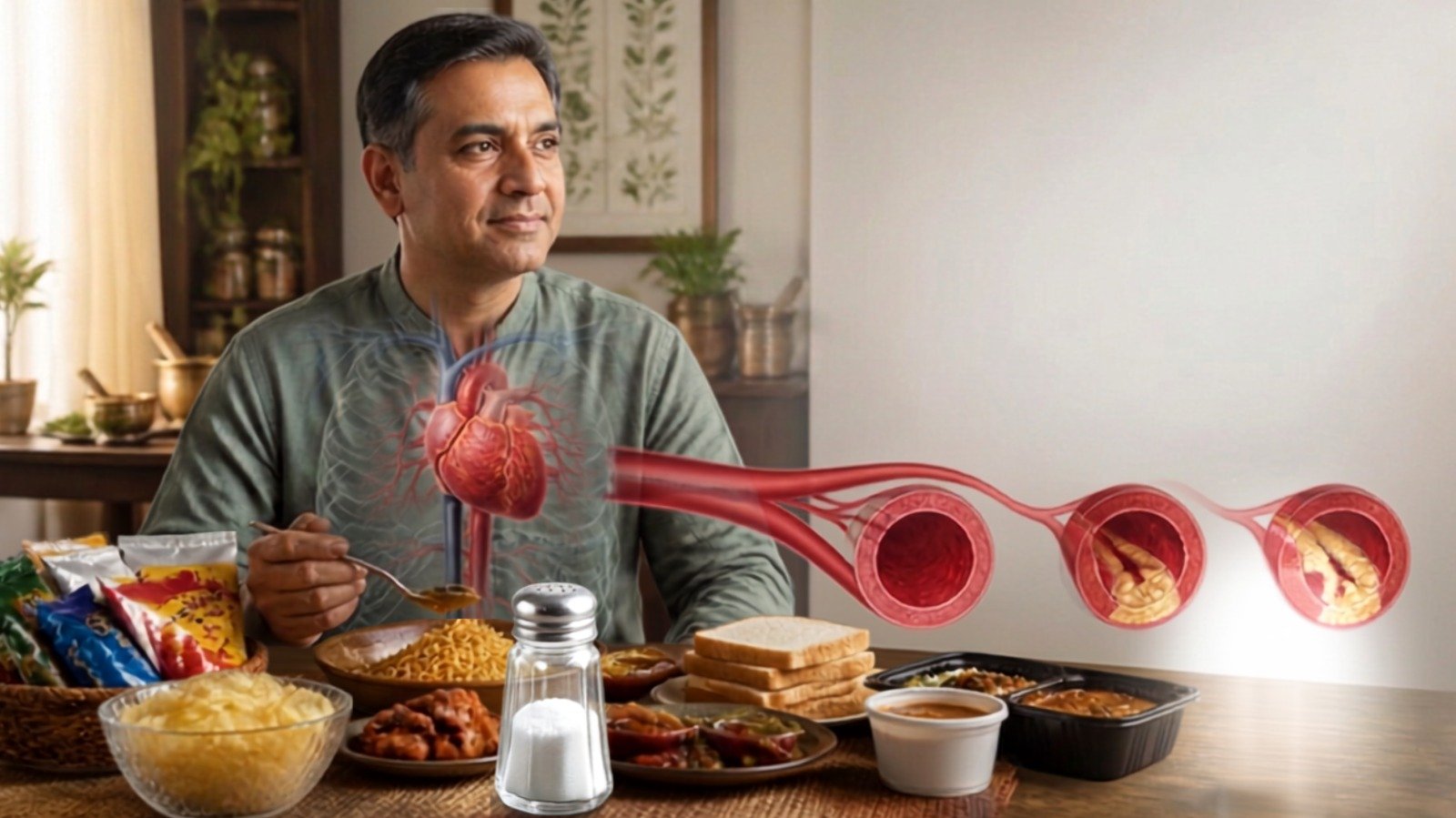
The Hidden Dangers of Salt
Why Protecting Your Heart Begins on Your Plate
By an Ayurvedic Physician, Saigram Ayurveda Hospital and Research Institute, Coimbatore
When patients walk into my consultation room, they often come with a familiar concern.
"Doctor, my blood pressure is normal. So, my heart must be healthy, right?" Unfortunately, the answer is not always yes.
At the best Ayurvedic Hospital in Coimbatore, we frequently meet patients who believe that heart disease develops suddenly or affects only those with uncontrolled hypertension. However, after decades of clinical observation, I have learned that many cardiovascular disorders begin silently and progress unnoticed for years.
One of the most overlooked contributors to this silent damage is excessive salt consumption.
Salt is so deeply integrated into our daily diet that most of us never stop to question it. We add it while cooking, sprinkle it over salads, enjoy it in our snacks, and unknowingly consume large quantities through packaged and restaurant foods.
The tragedy is that the damage caused by excessive salt rarely announces itself in the beginning. Instead, it quietly affects blood vessels, alters heart function, and gradually increases the risk of serious cardiovascular disease.
A Story Repeated in Clinics Every Day
Let me share a scenario that is far more common than most people realize.
A middle-aged professional arrives at the hospital complaining of fatigue, occasional chest discomfort, poor sleep, and reduced exercise tolerance.
He doesn't smoke.
He doesn't have diabetes.
His blood pressure appears normal.
His medical reports are mostly within acceptable limits.
Yet, something isn't right.
A detailed assessment reveals a lifestyle built around convenience foods. Breakfast consists of processed foods. Lunch comes from restaurants. Evening snacks include packaged items. Dinner is often a takeaway meal.
Individually, these habits may appear harmless.
Collectively, they expose the body to an excessive sodium load every single day.
By the time symptoms appear, the cardiovascular system may already be under considerable stress.
This pattern is remarkably similar to the clinical experience described in the uploaded document, which highlights how hidden salt consumption can damage the heart even in people without diagnosed hypertension.
Why Does the Body Need Salt?
Salt contains sodium, an essential mineral that performs several important functions.
The human body requires sodium for:
- Maintaining fluid balance
- Supporting nerve function
- Facilitating muscle contraction
- Regulating cellular communication
Without sodium, the body cannot function properly.
However, the difference between a medicine and a poison often lies in the dose.
When sodium consumption exceeds the body's requirements, several harmful physiological changes begin to occur.
How Excess Salt Silently Damages the Heart
The process is gradual, which is precisely why it becomes dangerous.
The Kidneys Start Retaining Water
When excess sodium enters the bloodstream, the kidneys attempt to maintain balance by holding onto more water.
As a result, the total volume of blood circulating throughout the body increases. This mechanism is clearly explained in the source document.
The Heart Is Forced to Work Harder
More blood volume means more work for the heart.
Every heartbeat requires additional effort to circulate the increased volume through the arteries.
Even when a blood pressure reading appears normal during a routine check-up, subtle internal changes may already be developing. These changes increase pressure within the vascular system and place an additional burden on the heart.
Blood Vessels Begin to Lose Their Flexibility
Healthy blood vessels contain a delicate inner lining called the endothelium.
This lining performs several vital functions, including regulating blood flow and maintaining vascular health.
Continuous exposure to excessive pressure and sodium can damage this protective layer, resulting in endothelial dysfunction. Over time, blood vessels become less flexible and less efficient.
Arteries Become Narrower and Stiffer
Damaged blood vessels gradually become thicker and less elastic.
As the arteries lose their natural flexibility, resistance to blood flow increases.
The heart must then generate greater force to push blood through these narrowed pathways. This process accelerates cardiovascular strain and contributes to long-term heart disease.
The Heart Muscle Starts Changing
Many people assume that a stronger heart means a healthier heart.
Unfortunately, that isn't always true.
When the heart continuously works against increased resistance, the muscular wall of the left ventricle becomes thicker.
Initially, this adaptation may appear beneficial. However, over time, the thickened muscle becomes less flexible and less efficient. Eventually, the heart struggles to maintain adequate circulation, increasing the risk of heart failure.
"My Blood Pressure Is Normal. Should I Still Be Concerned?"
This is perhaps the most common question patients ask.
The misconception that only people with hypertension need to reduce salt intake has become deeply rooted in society.
Scientific evidence suggests otherwise.
Research has demonstrated that excessive sodium intake increases the risk of cardiovascular disease, stroke, and heart failure, even among individuals without hypertension. The source document emphasizes that these internal changes often occur slowly and without obvious symptoms.
In simple terms, normal blood pressure does not always guarantee a healthy heart.
The Hidden Salt You Never Notice
Many people proudly announce that they don't add extra salt to their meals.
While that may be true, it doesn't necessarily mean they are consuming less sodium.
One of the most surprising facts about modern nutrition is that most dietary sodium doesn't come from the salt shaker.
According to the source material, only around 30% of daily sodium intake comes from the salt added during cooking. The remaining 70% comes from hidden sources found in processed and packaged foods.
Common sources of hidden salt include:
- Bread and bakery products
- Instant noodles and soups
- Pickles, sauces, and ketchup
- Chips and packaged snacks
- Restaurant and takeaway meals
These foods may not taste excessively salty, but they can contribute significantly to your daily sodium intake.
How Much Salt Is Considered Safe?
The World Health Organization recommends that healthy adults consume less than 5 grams of salt per day, which is approximately one level teaspoon.
However, many Indians consume between 10 and 12 grams daily, more than double the recommended limit.
This excess accumulates gradually and contributes to cardiovascular disease over many years.
The Ayurvedic Understanding of Salt and Heart Health
Ayurveda has long recognized the effects of excessive salt consumption on the human body.
The classical texts describe Lavana Rasa (salty taste) as beneficial when consumed in moderation but harmful when used excessively.
From an Ayurvedic perspective, excessive salt can aggravate Pitta and Kapha doshas, leading to several pathological changes, including:
- Rakta Dushti — impurities affecting the blood
- Meda Dhatu Vriddhi — an increase in unhealthy fat accumulation
- Hridaya Bala Kshaya — weakening of cardiac strength
- Shotha — fluid retention and swelling
- Agni Dushti — disturbances in digestive metabolism
These observations described in Ayurveda closely parallel many modern scientific findings related to sodium-induced cardiovascular damage. The uploaded document also highlights these Ayurvedic concepts.
Practical Ways to Protect Your Heart
Reducing salt intake doesn't mean sacrificing taste.
Small, consistent lifestyle changes often produce remarkable long-term benefits.
Consider adopting the following habits:
- Reduce the consumption of packaged and processed foods
- Taste your food before adding extra salt
- Read nutritional labels and check sodium content
- Replace processed flavour enhancers with natural alternatives such as ginger, cumin, coriander, pepper, curry leaves, and lime
- Schedule regular preventive health assessments
- Seek professional evaluation if you experience fatigue, breathlessness, swelling, or chest discomfort
Prevention is always easier than treatment.
Your Heart Hears What Your Tongue Enjoys
Heart disease rarely develops overnight.
It is usually the result of thousands of small lifestyle decisions repeated over many years.
Excessive salt consumption is one of those silent habits that often goes unnoticed until the consequences become impossible to ignore.
At the best Ayurvedic Hospital in Coimbatore, we believe that true healing begins long before disease appears. Through a combination of Ayurvedic wisdom, detailed clinical assessment, personalized dietary guidance, and preventive healthcare, many cardiovascular risks can be identified and addressed at an early stage.
If you have been experiencing unexplained fatigue, fluctuating blood pressure, swelling, or concerns about your heart health, perhaps this is the right time to listen to what your body has been trying to tell you. A thoughtful consultation may be the first step toward a healthier future.
Related Blogs

Hormones and Sleep: An Ayurvedic Approach to Restful Sleep | Saigram Ayurveda
Discover how melatonin, cortisol, thyroid, reproductive hormones and metabolism can influence sleep, and how Ayurveda approaches disturbed sleep through personalised care at Saigram Ayurveda Hospital, Coimbatore.
Read more
The Ayurvedic Art of Drinking Water: 8 Healthy Habits | Saigram Ayurveda
Discover 8 Ayurvedic habits for drinking water mindfully. Learn how proper hydration and personalised lifestyle choices can support overall wellbeing at Saigram Ayurveda Hospital, Coimbatore.
Read more
The Hidden Story of Insulin Resistance | Best Ayurvedic Hospital in Coimbatore | Saigram Ayurveda Hospital
Discover how insulin resistance silently leads to diabetes, obesity, fatty liver, and heart disease. Learn the Ayurvedic approach to early metabolic health from the best Ayurvedic Hospital in Coimbatore, Saigram Ayurveda Hospital & Research Institute.
Read more


