
Post-Delivery Care in Ayurveda
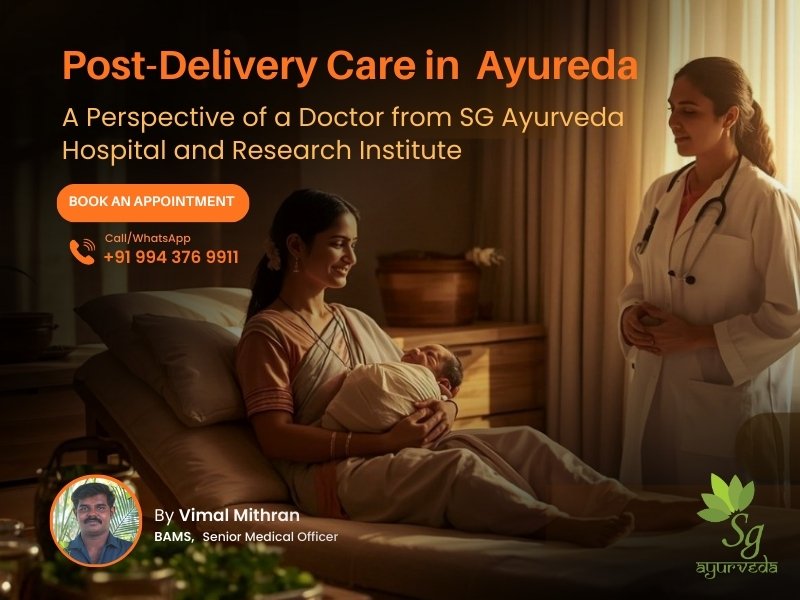
A Perspective of a Doctor from SG Ayurveda Hospital and Research Institute
Motherhood is one of the most transformative journeys in a woman’s life. As an Ayurvedic physician at SG Ayurveda Hospital and Research Institute, I have witnessed how the period immediately after childbirth determines not just short-term recovery, but a woman’s lifelong health.
In Ayurveda, this sacred phase is known as Sutika Kala — the post-delivery period that requires structured care, nourishment, rest, and rejuvenation. Unfortunately, in today’s fast-paced world, postnatal care is often reduced to basic wound healing and infant monitoring. But true recovery goes much deeper.
In this blog, I would like to share a practical, traditional, and clinically refined Ayurvedic approach to post-delivery care — rooted in classical wisdom and adapted to modern lifestyles.
Understanding the Post-Delivery Phase in Ayurveda
Childbirth leads to significant depletion of Dhatus (body tissues), imbalance of Vata Dosha, and weakened digestive fire (Agni). If not managed properly, this may lead to:
- Chronic back pain
- Hormonal imbalance
- Poor lactation
- Joint pain
- Emotional instability
- Long-term gynaecological issues
This is why structured care immediately after delivery is crucial.
At SG Ayurveda Hospital and Research Institute, widely regarded by many as the Best Ayurvedic hospital in Coimbatore, we follow individualized protocols based on:
- Type of delivery (Normal or Caesarean)
- Mother’s constitution (Prakriti)
- Digestive strength
- Presence of anaemia or weakness
- Lactation status
Post-Delivery Care After Normal Delivery
- Herbal Oil Application & Medicated Bath
One of the first steps is gentle oil application (Abhyanga). Medicated oils are warmed and applied especially over:
- Lower abdomen
- Lower back
- Hips
- Joints
This helps pacify aggravated Vata, reduce pain, improve circulation, and support uterine involution.
Bathing is done using boiled water infused with specific herbal leaves such as Nalpamaradi group leaves. In traditional homes, banana stem, specific bark leaves, and medicinal foliage are boiled and reused the next day after reheating. For urban mothers who cannot source fresh leaves, we prepare safe herbal decoctions within our hospital pharmacy.
This process is usually continued for the first 7 days after normal delivery.
- Introduction of Herbal Decoctions (Kashayams)
Once digestion improves, usually after the first week, medicated decoctions are introduced. Commonly used formulations include:
- Dashamoola Kashayam – for reducing inflammation and pain
- Jeerakarishtam (Jeera-based formulations) – to improve digestion and lactation
- Ashoka-based preparations – to support uterine health and blood purification
These are administered carefully — usually before or after meals depending on digestive strength. The timing and dosage are extremely important. Self-medication is not advisable.
- Lehya & Rasayana Support (After 14 Days)
Once appetite stabilizes and the body regains strength, nourishing herbal jams (Lehyas) are introduced.
Some examples include:
- Kurunji Kuzhambu Lehya
- Coconut flower-based Rasayanas
- Specific uterine cleansing formulations
These help:
- Restore strength
- Improve breast milk production
- Clear retained uterine waste
- Enhance overall vitality
Milk with herbs may be advised to further nourish depleted tissues.
Supporting Breastfeeding Mothers
Breast milk is considered Amrita (nectar) for the child in Ayurveda.
We strongly encourage exclusive breastfeeding for at least six months, and ideally up to two years when possible.
If milk production is low, specific preparations like Palakashayam (herbal milk decoctions) are advised. These include herbs that stimulate lactation and strengthen the mother’s body without causing heaviness.
At SG Ayurveda Hospital and Research Institute, often referred to as the Best Ayurvedic hospital in Coimbatore by families who trust our maternal care, we monitor both mother and baby to ensure:
- Adequate milk production
- Proper infant weight gain
- No digestive discomfort in baby
- Mother’s emotional stability
Post-Delivery Care After Caesarean Section
Caesarean delivery requires a slightly modified protocol.
First 14 Days
- No vigorous oil massage
- Gentle cleansing with medicated warm water
- Careful wound healing support
- Digestive strengthening
After 14 Days
- Mild herbal decoctions can be introduced
- Light abdominal strengthening practices
- Gradual introduction of internal medications
After One Month
- Full kashayam protocol
- Lehya & Rasayana support
- Structured strengthening therapies
The key principle is: Do not rush recovery. The surgical wound and internal tissues need adequate time to heal.
Diet During Post-Delivery Phase
Diet is medicine during this period.
We recommend:
- Warm, freshly prepared meals
- Jeera (cumin)-infused rice gruel
- Lightly spiced soups
- Easily digestible foods
- Avoidance of refrigerated and processed foods
Cold, dry, and heavy foods aggravate Vata and delay recovery.
Each mother receives a personalized diet plan in our post-delivery programs.
Why Structured Post-Delivery Care Matters
In my clinical experience, many chronic gynaecological complaints in women — even 10–15 years after childbirth — trace back to improper postnatal care.
Issues such as:
- Persistent back pain
- Irregular menstruation
- Uterine prolapse
- Hormonal disturbances
- Early fatigue
can often be prevented with proper Ayurvedic postpartum management. That is why we emphasize comprehensive care, not just symptomatic treatment.
Post Delivery Packages at SG Ayurveda Hospital
To make authentic care accessible and systematic, we have designed structured Post Delivery Packages at SG Ayurveda Hospital and Research Institute.
These packages include:
- Doctor consultation & constitution assessment
- Customized herbal medicines
- Medicated oil therapies
- Lactation support guidance
- Diet planning
- Wound healing protocols (for C-section mothers)
- Strength restoration programs
Our team ensures continuous follow-up rather than one-time consultation.
Many families consider us among the Best Ayurvedic hospital in Coimbatore because of our integrative maternal care model — combining traditional knowledge with scientific monitoring.
Emotional Wellbeing of the Mother
Post-delivery recovery is not only physical. Hormonal shifts can affect mood, sleep, and bonding.
Ayurveda recognizes the deep mind-body connection. We encourage:
- Adequate rest
- Family support
- Warm oil head applications
- Gentle breathing practices
- Open communication
Postpartum depression is real and must never be ignored. Early guidance makes a huge difference.
A Note from the Doctor
As an Ayurvedic physician, I always tell families: childbirth is not the end of a process — it is the beginning of a new physiological chapter.
If proper care is given during these 45 days, a woman gains:
- Better immunity
- Stronger bones and joints
- Balanced hormones
- Healthy digestion
- Stable emotional health
If neglected, recovery becomes prolonged and complications may surface later. At SG Ayurveda Hospital and Research Institute, we are committed to preserving the traditional wisdom of Prasava Raksha (post-delivery protection) while ensuring safety and personalization.
We Welcome You
Motherhood deserves respect, rest, and restoration.
If you or your loved one has recently delivered — whether normal or Caesarean — do not navigate this delicate phase alone. We warmly welcome you to visit SG Ayurveda Hospital and Research Institute for authentic Ayurvedic treatments. Explore our specialized Post Delivery Packages designed to help mothers recover naturally, safely, and completely.
Your body has created life. It now deserves structured healing. Let us walk this recovery journey together — with care, science, and compassion.Related Blogs
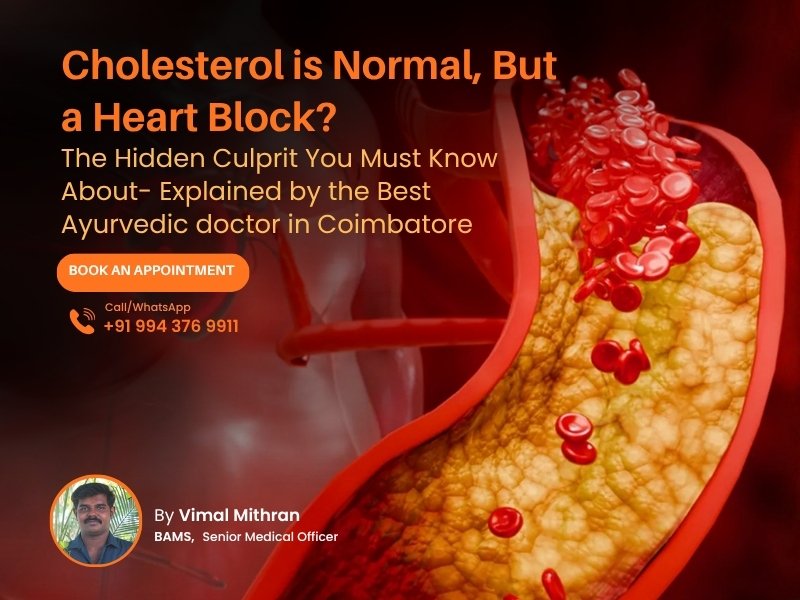
Cholesterol is Normal, But a Heart Block? The Hidden Culprit You Must Know About
As the Chief Medical Officer at Siagram Ayurveda Hospital and Research Institute, I often meet patients who are perplexed. They maintain a healthy lifestyle, have normal cholesterol reports, and yet, face the shocking diagnosis of a heart block.
Read more
Nourishing the New Mother: An Ayurvedic Guide to Post-Delivery Nutrition
The journey of motherhood brings immense joy, and with it, the crucial responsibility of self-care. A common question we hear at Siagram Ayurveda Hospital and Research Institute, a leading Ayurvedic hospital, is about the ideal diet for a mother after delivery.
Read more
Panchakarma: The Cornerstone of Ayurvedic Detoxification and Rejuvenation | A Guide by Saigram Ayurveda
In the vast and profound science of Ayurveda, few treatments are as renowned or as deeply transformative as Panchakarma. At Saigram Ayurveda Hospital and Research Institute, widely recognized as the best Ayurveda hospital in Coimbatore
Read more


